


Miami Homes for Sale, Condos and Neighborhood Real Estate Guide
Explore Miami real estate through live MLS listings, neighborhood context, condominium due diligence, current market information and practical guidance for buyers and homeowners considering a sale.
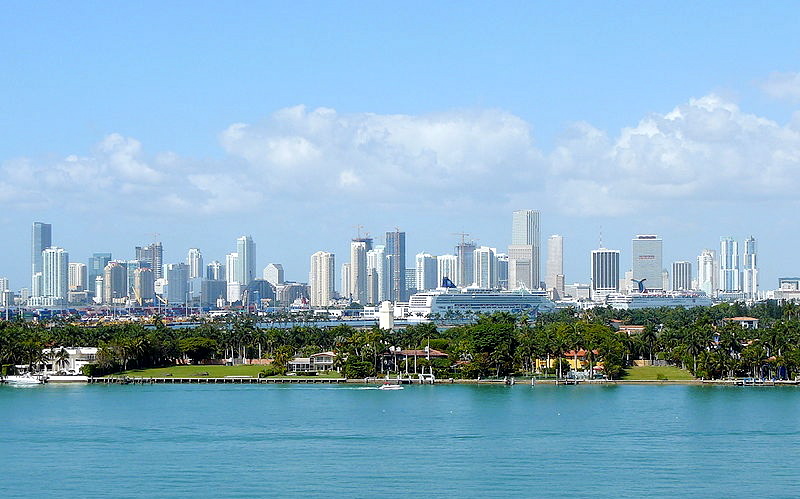

Miami Is Not One Housing Market
A Brickell condominium, Coconut Grove single-family home, Edgewater high-rise, Little Havana property and residence in the Upper East Side can have very different buyer pools, ownership costs and comparable sales even though all are within the City of Miami.
That is the most important concept for anyone searching Miami real estate. Citywide figures can show direction, but serious buying and selling decisions usually need to move down to the neighborhood, building and property-type level. Exact location, construction era, association finances, renovations, waterfront exposure, parking, insurance considerations and current competing inventory may all change the analysis.
The City of Miami was incorporated in 1896 and is widely known as the "Magic City," a nickname associated with its rapid early growth. The city's long development history helps explain why historic neighborhoods, mid-century buildings, high-rise condominium districts, newer construction and waterfront redevelopment can exist close together.
Different Miami Areas Create Different Real Estate Questions
In Brickell and Edgewater, buyers may spend as much time studying the condominium building as the unit itself. Association fees, reserves, assessments, amenities, parking, insurance information, rental policies and financing eligibility can materially affect the ownership picture.
In Coconut Grove and other single-family areas, lot characteristics, age, renovation quality, elevation, street location and nearby relevant sales may matter more. In older neighborhoods, construction type and improvement history can be important. In rapidly changing districts, buyers may also need to distinguish completed residential projects from proposed development and understand how current construction affects the immediate environment.
Recent Miami Housing Trends
Median sale price
Redfin reported a Miami median sale price of $649,691 for the three months ending September 2026.
Median days on market
Homes took about 113 days to sell on a median basis during the same period.
September sales
Redfin reported 1,025 Miami home sales in September 2026, up from 980 a year earlier.
Source: Redfin Miami Housing Market. Redfin reported the median sale price up 4.8% year over year and a 94.6% sale-to-list ratio. Citywide figures combine many very different property types and neighborhoods.
Buying a Miami Condo: The Unit Is Only Half the Decision
Miami has a large and varied condominium market, but a buyer should avoid comparing units based only on list price, square footage and view. The building itself can materially affect financing, monthly cost, resale and the overall ownership experience.
Association finances
Review current fees, reserves, financial statements, special assessments and known capital projects. Ask what major expenses are planned and how they are expected to be funded.
Rules and operations
Understand rental restrictions, pet rules, parking, storage, move-in procedures, renovation requirements, guest policies and any approval process.
Building characteristics
Age, construction, maintenance history, insurance information, amenities and financing eligibility can distinguish two buildings that appear similar online.
Single-Family Homes in Miami Need a Different Comparison
Single-family buyers should focus on a tighter geographic competitive set. A home in Coconut Grove should not be valued by averaging it with unrelated properties across the entire city. Lot size, renovations, age, layout, impact protection, elevation, flood-related factors, roof and mechanical systems can all matter.
Older Miami homes may also have additions or renovations completed in different eras. Buyers should review permits and available property records when appropriate rather than assuming every improvement was completed in the same manner.
For sellers, the same principle applies. A well-supported list price should reflect the closest relevant competition and closed sales rather than simply applying a citywide price-per-square-foot figure.
High-Rise Living, New Construction and Resale Competition
Miami buyers often encounter three overlapping markets: established resale buildings, recently delivered projects and new construction or pre-construction offerings. They should not be analyzed as if they are identical.
- Established resale: provides actual operating history, completed financial statements and real resale data.
- Recently delivered buildings: may still be establishing resale patterns and association operating experience.
- New construction: can involve developer contracts, staged deposits, estimated completion timing and projected rather than historical association costs.
When a buyer is comparing new construction with resale, incentives, closing costs, deposits, furnishings, developer terms and expected future inventory can matter alongside the advertised price.
Waterfront and Flood-Related Considerations
Miami includes waterfront condominiums, bayfront buildings, riverfront properties and single-family homes near canals or other waterways. The value and risk profile of those properties can vary substantially.
Buyers should review available flood-zone information, elevation where relevant, insurance considerations, building resilience and the property's specific waterfront exposure. For single-family waterfront homes, dockage, seawall condition, water depth and boating access may also matter.
For a condo, the building's waterfront position may affect views and demand, but buyers still need to understand association-level costs and maintenance obligations. A beautiful view does not replace building due diligence.
A Practical Miami Home Search Checklist
- Choose the neighborhood or group of neighborhoods first.
- Separate condos, townhomes and single-family homes.
- Set a realistic total monthly housing budget, not just a purchase-price target.
- Compare association fees and assessments early.
- Review parking and transportation needs.
- Look at current active competition and recent closed sales.
- For older homes, investigate condition and permit history where appropriate.
- For condos, review building-level documents and finances.
- For waterfront property, investigate flood and water-access factors.
- Use professional representation for offer preparation and transaction coordination.
Save Now Realty can help buyers search Miami MLS inventory, coordinate showings, evaluate competing listings and prepare offers. Learn more about buyer representation.
Miami's Built Environment and Why Construction Era Matters
Miami's housing stock reflects many eras of growth. Some neighborhoods include early- and mid-twentieth-century homes; others are dominated by high-rise construction from much later decades. New towers continue to alter parts of the skyline while established buildings remain an important share of resale inventory.
Construction era can influence roofing, windows and doors, electrical systems, plumbing, HVAC, structural components, association maintenance history and insurance questions. Buyers should not assume that two properties with similar finishes have similar underlying systems.
For sellers, renovation quality and documentation can also affect buyer confidence. Improvements that are attractive in photos still need to be considered in the context of overall property condition, permits where applicable and the closest comparable sales.
Miami Neighborhood Names and Search Boundaries Can Be Tricky
Miami buyers should confirm whether a listing is actually within the City of Miami, in another municipality or in an unincorporated area. "Miami" is commonly used in mailing addresses far beyond the municipal boundaries of the City of Miami, so a search based only on postal address can mix very different jurisdictions and markets.
Within the City itself, neighborhood names can also overlap with larger informal areas. City maps identify places such as Allapattah, Coconut Grove, Little Havana, Little Haiti, Overtown, Upper Eastside and Wynwood/Edgewater, while real estate marketing may use smaller submarket names. For accurate comparisons, buyers should look at the actual location and nearby sales instead of assuming every property carrying the same broad neighborhood label belongs in the same competitive set.
This distinction also matters for taxes, permitting, zoning research and municipal services, which can vary by jurisdiction. When a property is under serious consideration, confirm the city or county jurisdiction rather than relying only on the mailing address.
Parking, Transportation and Daily Use Matter More Than They Look Online
In dense Miami neighborhoods, parking and transportation can materially affect how a property works day to day. Condo buyers should confirm assigned spaces, valet arrangements, guest parking, electric-vehicle rules and whether additional parking can be rented or purchased. For townhomes and single-family homes, driveway configuration, street parking and access to major roads can be important.
Buyers should also test the routes that matter to their own routine. A property that looks close on a map may feel very different during peak traffic or when crossing bridges and major corridors. These practical details rarely show up in a citywide housing statistic, but they can strongly influence which properties remain attractive after the first tour.
Considering Selling a Miami Home or Condo?
Start with the property, not the citywide average. Request a free valuation, review the Miami seller guide and compare the service level that fits how involved you want to be in the transaction.
Seller options: $500 MLS Only upfront; $1,000 MLS + Brokerage Guidance upfront; or 1% full-service listing-side representation plus a separate $695 transaction fee at closing. Brokerage compensation is negotiable and is not set by law. Buyer-agent compensation, if any, is separate and negotiable.
What Can Affect a Miami Property's Value?
For a condo, building, view, floor, condition, parking, association finances and assessments can all matter. For a single-family home, neighborhood, lot, age, renovation quality, condition and recent nearby sales may dominate. For waterfront property, the exact water exposure or access can add another layer.
This is why the Miami Seller Guide is separate from this general real estate page. This page is designed to help buyers and sellers understand the broader city market and browse current listings; the seller page focuses on valuation, service options and selling strategy.
Miami Real Estate FAQs
Is Miami mostly condos?
No. Miami has a large condominium market, but it also includes single-family homes, townhomes, duplexes and other property types. The mix varies substantially by neighborhood.
What should I review before buying a Miami condo?
Review the unit, building condition, association finances, reserves, assessments, insurance information, parking, amenities, rental restrictions and financing eligibility.
Should I compare Brickell condos with single-family homes elsewhere in Miami?
No. They serve different buyer markets and have different ownership structures. Comparables should match the subject property as closely as practical in type and location.
How should I price a Miami home for sale?
Use recent relevant comparable sales and current competing listings while accounting for exact neighborhood, property type, condition, building or association factors and market conditions.
Can I sell my Miami property without traditional full-service representation?
Yes. Save Now Realty offers an MLS Only option and an MLS + Brokerage Guidance option in addition to full-service seller representation.
Where can I search Miami MLS listings?
Use the live listings below this guide, then refine by price, bedrooms, property type and other available search criteria.